

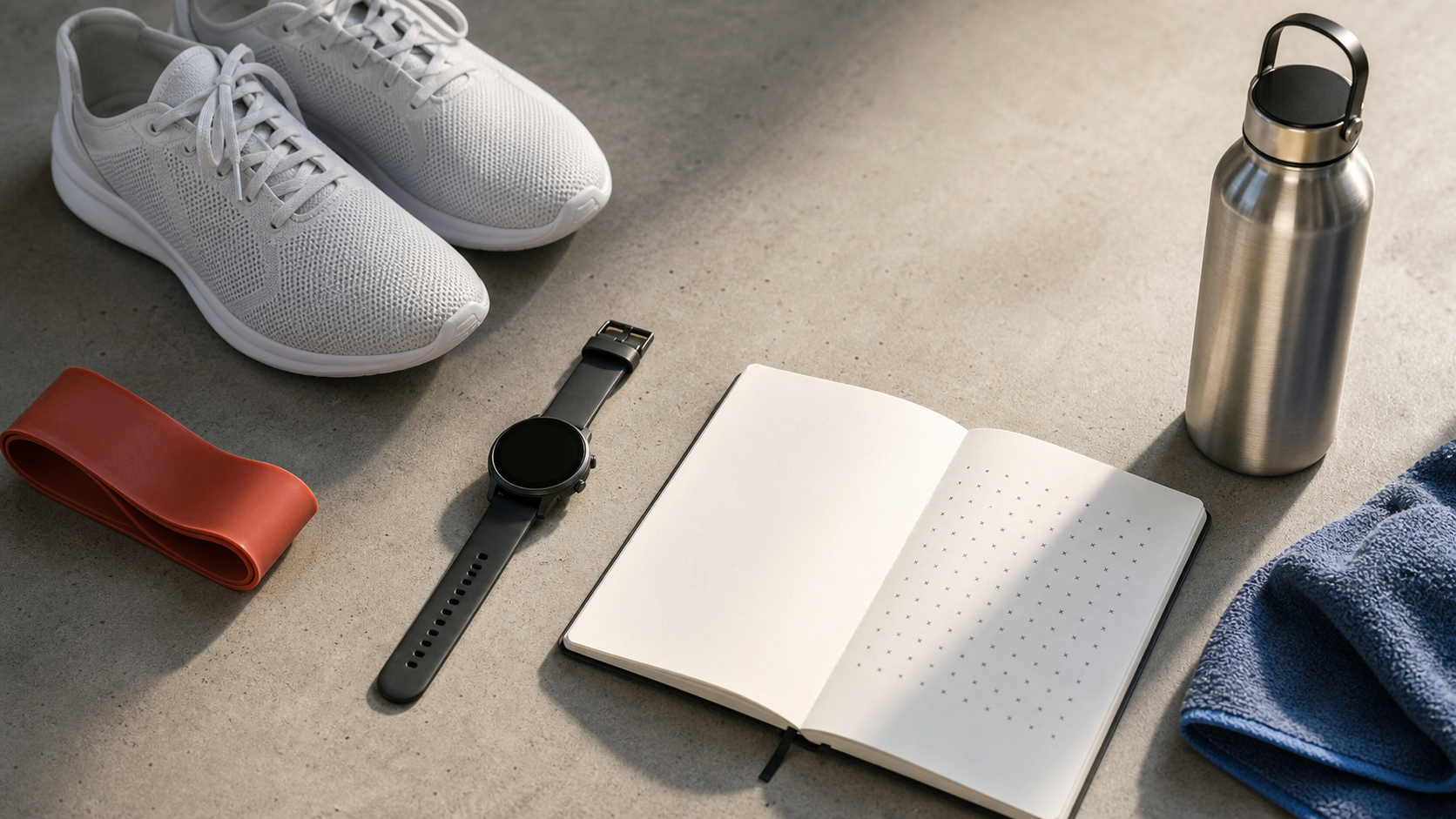
Your watch can measure more than most people can realistically use.
That is not a criticism of wearables. It is a criticism of how we often treat them.
ACSM's 2026 fitness trends report put wearable technology at the top of its global list. The interesting part was not the ranking. It was the shift in the question. Wearables are now normal. The real work is learning how to use the data in a way that supports behaviour change.
That is where most people get stuck.
A recovery score, activity ring, training-load chart, step count, sleep estimate, or heart-rate trend can all be useful. But if every metric becomes a verdict, the watch stops helping. You start negotiating with numbers instead of noticing what your body and routine are telling you.
The better approach is simpler: let one signal change one decision.
If sleep was poor and yesterday was hard, reduce intensity. If the last week has drifted low, schedule a short session you can actually complete. If your easy sessions keep creeping up in effort, slow down before your body forces you to. If a streak is pushing you into tired, low-quality training, break the streak on purpose.
Data is strongest when it protects consistency.
A 2024 systematic review and meta-analysis on health habit formation found that habit timing varied widely. Some habits took a median of around two months to form, while individual timelines ranged from days to many months. The useful takeaway is not a magic number. It is that behaviour becomes easier through repetition, stable context, and choices the person can sustain.
That should change how we read wearable data.
The watch does not need to make you perfect today. It needs to help you repeat the right kind of action often enough that training becomes less fragile.
That might mean putting the shoes by the door, setting a realistic session length, training at the same time most days, or choosing the lower-intensity option before motivation turns into burnout.
The best metric is the one that makes tomorrow's session more likely.
Use the data. Keep your judgement. Build the habit.