

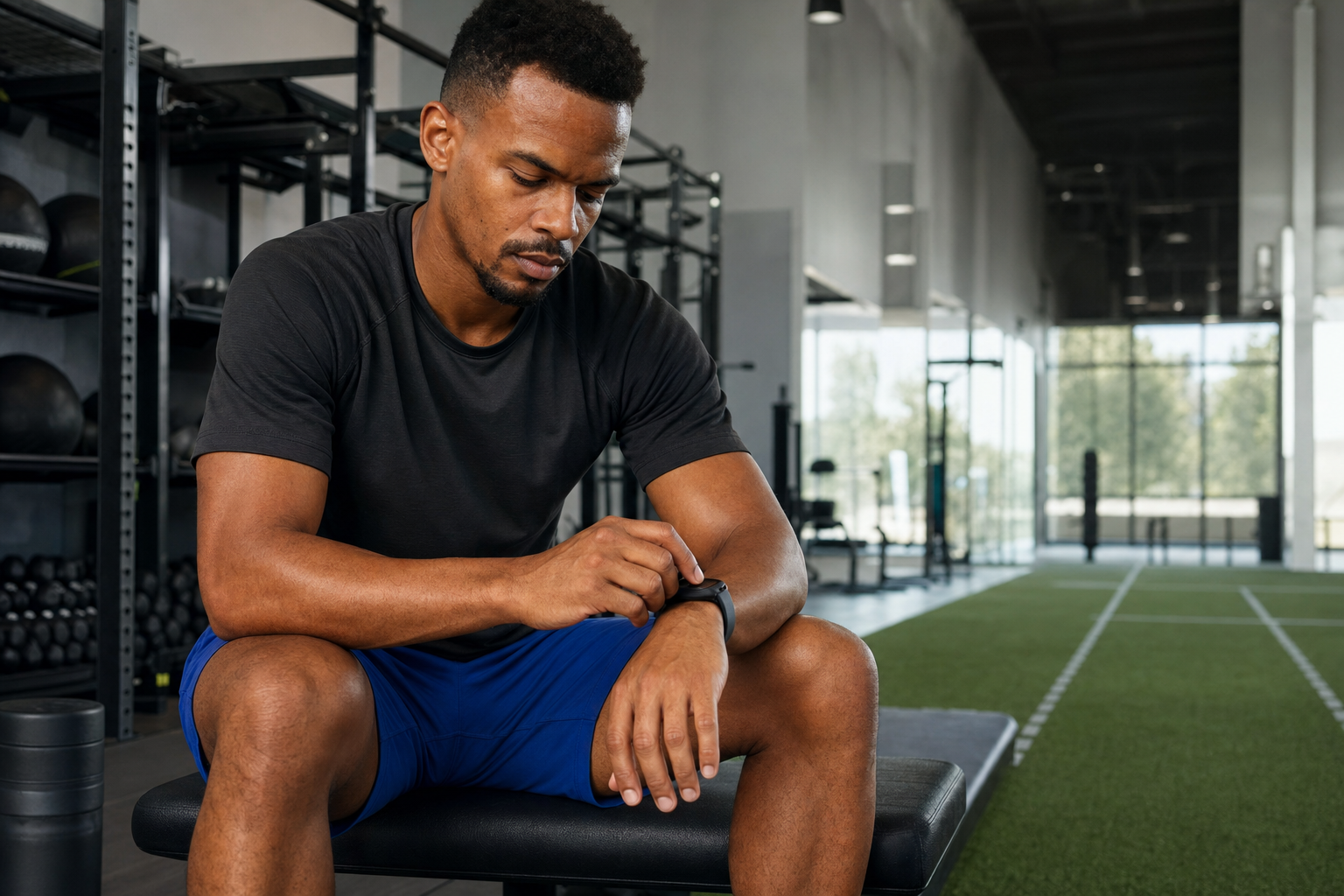
Your watch is getting smarter. That does not mean it knows everything.
Wearable technology is the number one fitness trend in ACSM's 2026 forecast, and the interesting shift is not just more sensors. It is how normal it has become to make training decisions from a score: readiness, recovery, strain, body battery, training load.
That can be useful. A watch can notice patterns you miss. It can show that your hard session was part of a bigger week, that sleep has been poor, or that the easy ride you dismissed still added load.
But the score is not the decision.
Most readiness systems are built from proxies. Garmin, for example, lists sleep, recovery time, HRV, acute load and recent stress as inputs. Apple compares the last seven days of training load with the previous 28. Those are helpful signals, especially when they are consistent over time. They are not a complete picture of your life.
A 2025 Sports Medicine - Open study on elite endurance athletes looked at subjective ratings alongside wearable and recovery data over a year. The useful takeaway was not that one side won. It was that individual patterns varied, and the authors argued for combining objective and subjective markers to understand load and recovery properly.
That is the practical rule for everyday training: use the data to ask better questions.
If your watch says you are ready but you slept badly, feel flat and are carrying soreness from strength work, lower the intensity. If it says your load is high but you feel sharp, check the week around it before you panic. Are you stacking hard days? Is the next session meant to build fitness or prove something?
Good training is rarely one perfect number. It is the relationship between stress, recovery and consistency.
The best use of a fitness watch is not obedience. It is reflection. Look at the trend, compare it with how you feel, then make the next session slightly more honest. Sometimes that means pushing. Sometimes it means holding back. Both can be training.