

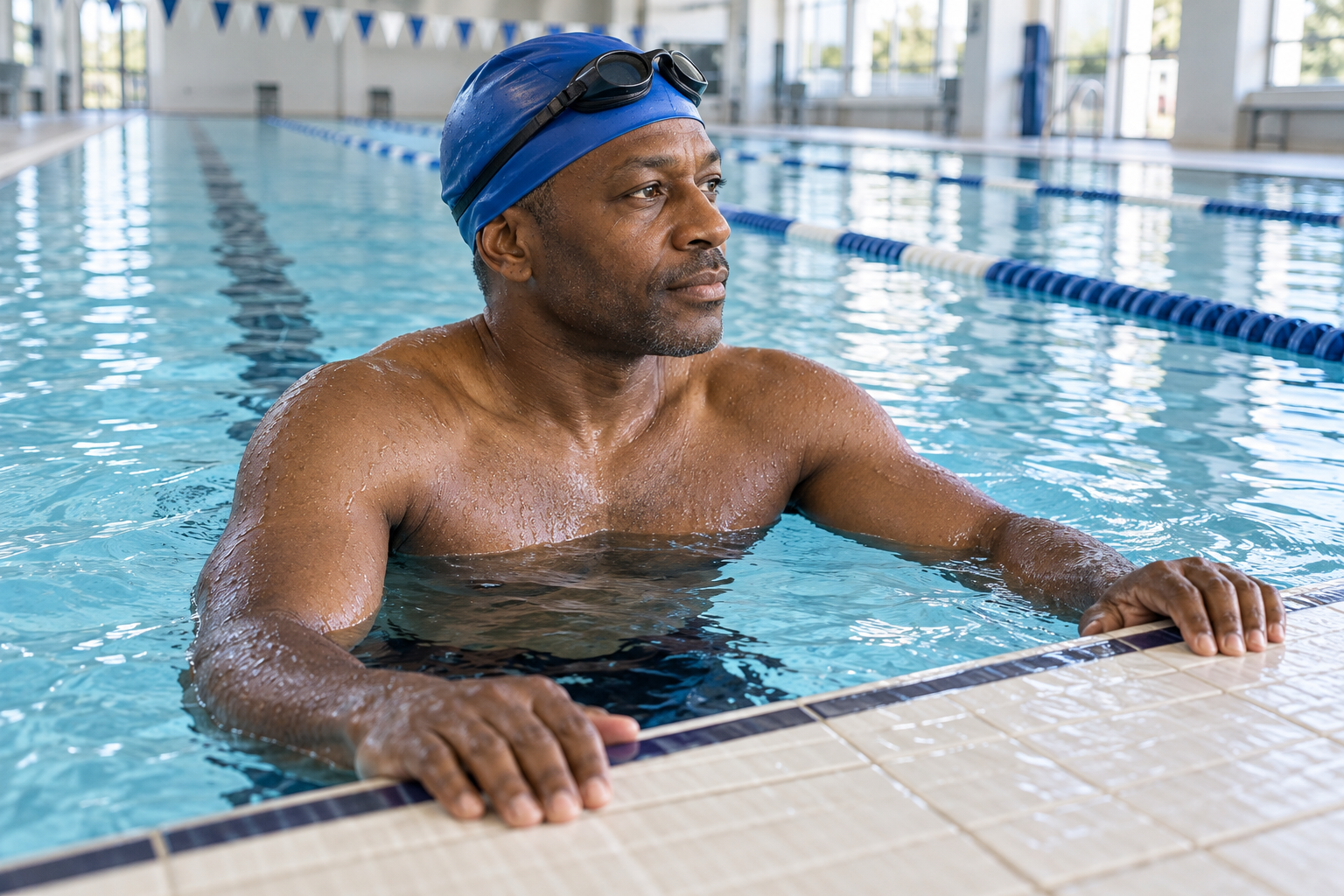
You finish your swim and save the session. Before turning that record into a post, there is another choice to make: who do you want to see it?
Your own log, a conversation with a coach and a public update serve different purposes. Start with the purpose, then choose the audience and the detail.
For your own reference, you might keep the set, rests and a sentence about how the swim felt. That gives you something to revisit without having to explain the session to anyone else.
If you want feedback, send your coach the information they need through a channel you have agreed. “My final four lengths felt rushed” gives the conversation a direction. Ask a specific question alongside the numbers.
If you want to celebrate, share the part you are pleased with. You can tell friends that you completed your first continuous swim without attaching every split or a photograph. Enjoying their encouragement is a perfectly good reason to post.
You can also decide to keep this one to yourself. A completed session needs no explanation for its absence from a feed.
Before sharing a screenshot, read it as someone else would. Look for the pool name, date, start time and any personal notes. Decide which details belong in that particular conversation. Send a short written summary if it says what you want more clearly.
When using an app, check the visibility of the activity itself. Review the app’s current guidance rather than assuming that a saved workout, a follower relationship or a familiar privacy label tells you everything about who can see it. Make the same check wherever you copy the record.
My standard for MOTRA is that recognising effort should help the person who trained. Public attention should be a choice, with its own reason, rather than another task required to complete a workout.
Try making the decision in this order: what do I want from sharing, who is it for, and what do they need to see? The answer can change from one session to the next.
The swim is finished when you leave the water. Its audience is yours to choose.