
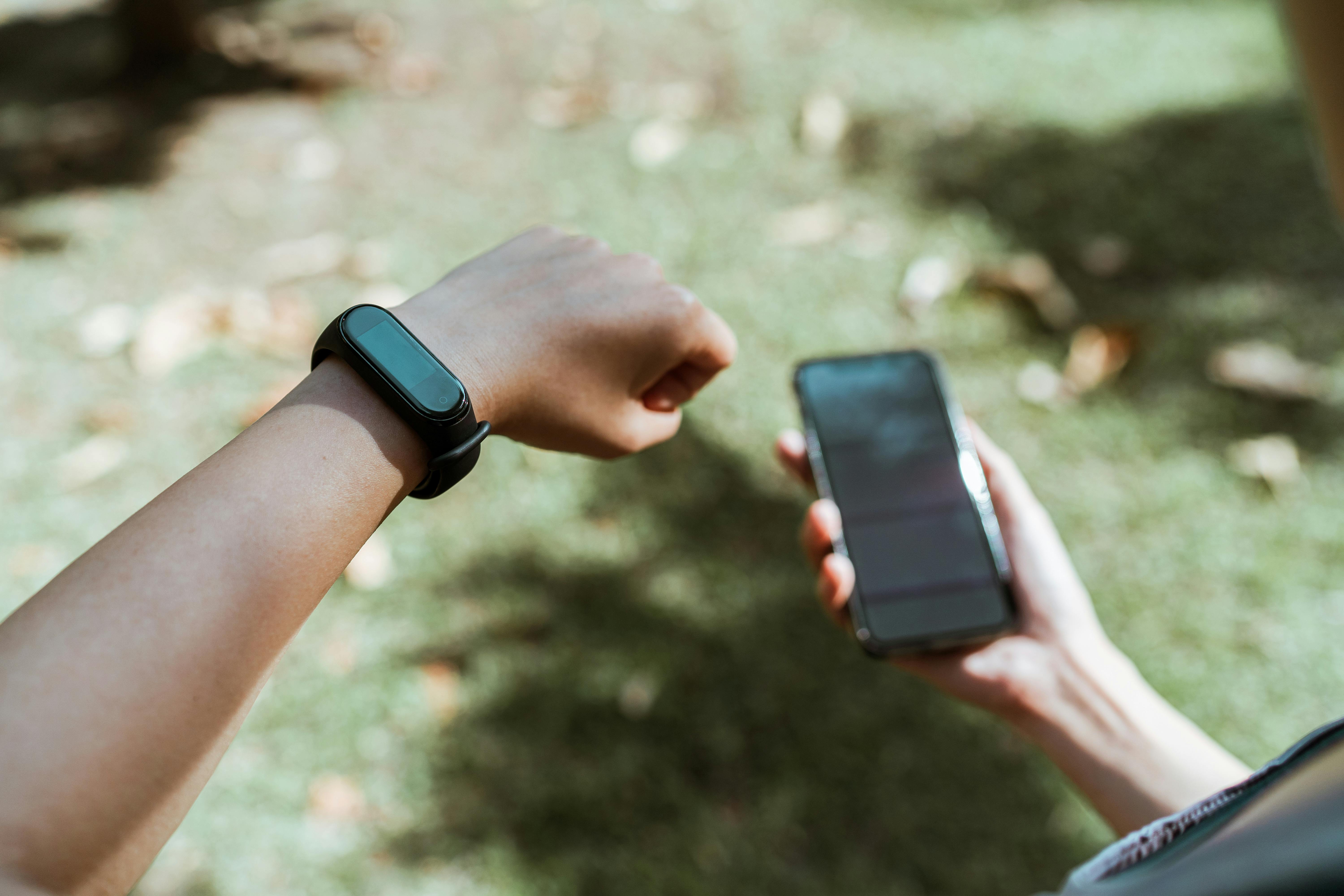
Wearables promise insight into recovery using metrics like resting heart rate, heart rate variability (HRV), sleep stages, and readiness scores. Some of this data is useful. Much of it is easy to misinterpret.
Heart rate variability is often treated as the gold standard. In reality, HRV reflects autonomic nervous system balance, not recovery itself. A low HRV can indicate fatigue, stress, illness, poor sleep, dehydration, alcohol, or even mental load. A high HRV does not guarantee readiness to train hard. It simply suggests lower acute stress at the moment of measurement.
Resting heart rate is similar. An elevated value can indicate accumulated fatigue or illness, but it is also affected by temperature, hydration, altitude, and measurement timing. A normal reading does not mean the musculoskeletal system has recovered from prior load.
Sleep data is directionally useful but imprecise. Wearables estimate sleep stages using movement and heart rate patterns, not brain activity. Total sleep duration and consistency are far more reliable than any single “sleep score.”
Readiness or recovery scores combine multiple signals into a single number. This can be helpful for spotting trends, but it hides uncertainty. These scores are based on population models, not your individual physiology. They should inform decisions, not dictate them.
What wearables do well is trend detection. Multi-day changes in resting heart rate, HRV, and sleep duration are more meaningful than day-to-day fluctuations. Sudden deviations from your own baseline matter more than absolute values.
What they cannot tell you is whether a specific tissue has recovered, whether you are psychologically ready to train hard, or whether today’s session will be productive. Recovery is multi-system. No wrist-based device can fully capture that.
The most reliable approach is combining wearable trends with subjective inputs: perceived fatigue, motivation, soreness, and session quality. Wearables are best used as context, not authority.
Recovery is not a number. It is a process!