

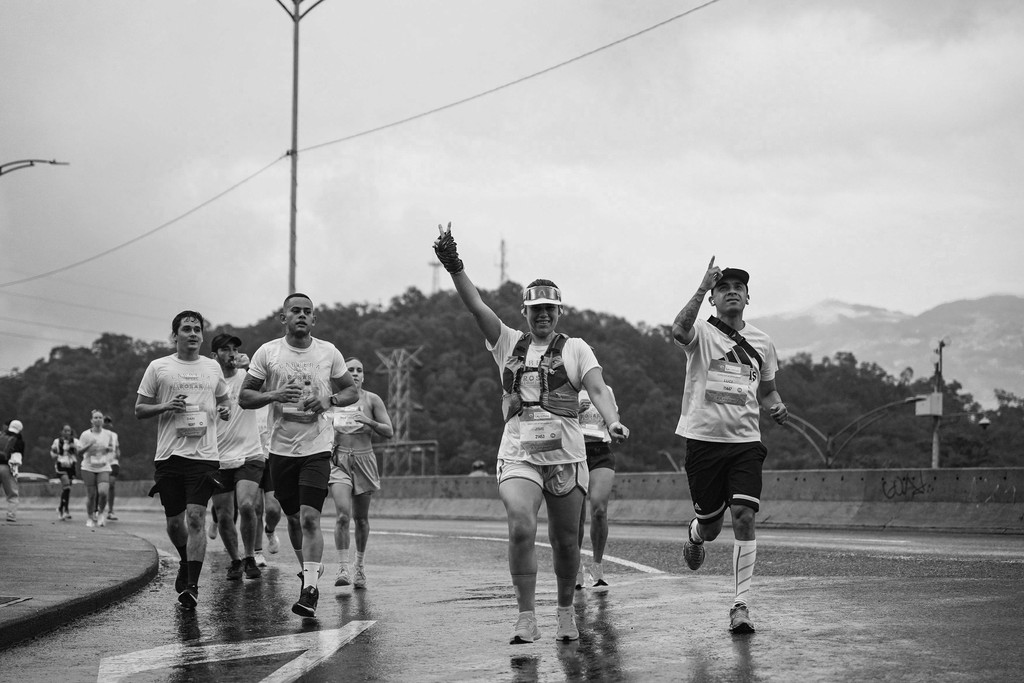
Marathon pacing is the single biggest factor separating a strong finish from a painful collapse. Fitness matters, but pacing determines whether you actually get to use it on race day.
Most first-time marathon mistakes come down to starting too fast, chasing a pace that feels easy early on, and paying for it after mile 18. This post breaks down how marathon pacing actually works, why “banking time” is a myth, and how to choose a pace you can hold for all 26.2 miles.
Why Marathon Pacing Matters More Than Speed
A marathon is not four 10Ks stitched together. Glycogen depletion, muscular fatigue, and rising core temperature all compound late in the race. The pace that feels controlled at mile 6 can feel impossible at mile 22 if you go out too hard.
Physiologically, your goal is to stay just under your lactate threshold for as long as possible. That requires restraint early, even when adrenaline is high and the crowd makes everything feel effortless.
The Three Common Marathon Pacing Strategies
Even pacing
This is the gold standard. You aim to run every mile at roughly the same pace, allowing for small variations due to terrain. Elite runners and well-executed amateur races almost always follow this model.
Negative split
You run the second half slightly faster than the first. This requires discipline and confidence, but it’s the most reliable way to feel strong late in the race. Most runners who “had a great marathon” unknowingly ran a mild negative split.
Positive split
Starting fast and slowing down. This is the most common approach and usually unintentional. It feels good early, then progressively worse. If you’ve “hit the wall” before, this is why.
How to Choose the Right Marathon Pace
Your marathon pace should come from training data, not race-day ambition.
A good rule of thumb:
• Marathon pace ≈ 45–75 seconds per kilometer slower than 10K pace
• Marathon pace ≈ 15–30 seconds per kilometer slower than half marathon pace
Long runs with sections at marathon pace are the best predictor. If you cannot comfortably hold that pace late in a 30–35 km run, it is not your marathon pace.
Heart rate is also a useful metric. For most runners, sustainable marathon effort sits in upper Zone 2 to low Zone 3. If your heart rate is climbing rapidly in the first half, you are almost certainly going too fast.
Race Day Pacing: The First 10 Kilometer Matter Most
The smartest marathon pacing decision happens before you feel tired.
Start slightly slower than target pace for the first 3–5 kilometers. Let the field thin out. Let your breathing settle. If the pace feels “too easy,” you’re doing it right.
From kilometer 6–32, lock into rhythm. This is where patience wins races against your future self.
If you’ve paced correctly, kilometer 32–42 are not about speed. They’re about maintaining form, minimizing slowdown, and staying mentally engaged. This is where even pacing or a small negative split pays off.
Why Most Runners Blow Up Late
It’s rarely fitness. It’s pacing plus fueling.
Running just 5–10 seconds per kilometer too fast early increases carbohydrate burn significantly. That drains glycogen sooner, making the final miles feel disproportionately harder.
Good marathon pacing protects your fuel stores. That’s why two runners with identical fitness can finish minutes apart based purely on early restraint.
Simple Marathon Pacing Takeaway
If you remember one thing, remember this:
A marathon is an exercise in patience, not bravery.
Run the first half like you’re holding something back. Run the second half like you’re cashing it in.